CEO · THEK Research Institute · Scientific and professional profile

Marcelo Moncayo Theurer

Civil engineering, computational mechanics, earthquake engineering, university teaching, scientific production, and methodological creation brought together in a professional career spanning more than two decades.

01 Biography02 Education03 Timeline04 Scientific production05 Engineering06 Teaching and theses07 Books08 Recognition09 Thought10 THEK
01
Profile and career

A career across engineering, science, and academia

International education, professional practice, research, and knowledge transfer.

The career of Lenin Marcelo Moncayo Theurer represents one of the most notable trajectories in civil engineering, scientific research, and academic rigor in contemporary Ecuador. A Full Professor at the University of Guayaquil—a position obtained through a rigorous merit-based competition—scientific researcher, author, and director of the THEK Research Institute, his career spans more than 25 years devoted to the production, teaching, communication, and application of technical knowledge in service to society.

His strong international education forms the foundation of a global scientific vision deeply committed to excellence. Moncayo Theurer completed his undergraduate studies in civil engineering at Escuela Superior Politécnica del Litoral (ESPOL), under the guidance and thesis supervision of the recognized academic and researcher Eng. Otton Lara Montiel. He later pursued specialized postgraduate studies in earthquake engineering in Japan, supported by a Japan International Cooperation Agency (JICA) scholarship, receiving specialized training at the Building Research Institute (BRI) / International Institute of Seismology and Earthquake Engineering (IISEE) and at the University of Tokyo under Professor Kenichi Ohi, focusing on structural reduction and the energy-absorption capacity of frames.

He then deepened his theoretical and computational specialization by earning the degree of Master of Science (M.Sc.) in Computational Mechanics at the prestigious Technical University of Munich (TUM) in Germany—supported by a scholarship from the German Academic Exchange Service (DAAD)—where he worked directly alongside leading international figures in computational mechanics and structural analysis, including Professor Kai-Uwe Bletzinger, Manfred Bischoff, Ernst Rank and Alexander Düster.

Over more than two and a half decades of professional practice, his work has been reflected in major infrastructure projects nationwide. He has led and participated in emblematic civil-engineering projects in Ecuador, including construction management and supervision of critical infrastructure, structural design of high-rise buildings, multilayer bridges, and industrial facilities. This extensive practical experience in construction oversight and earthquake-resistant design has provided an empirical foundation for his continuing research in structural dynamics, the finite element method (FEM), advanced numerical methods, and mathematical modeling of complex Earth systems.

As an author and academic, his intellectual output is prolific. He has written and published 15 books focused on Earth sciences, structural engineering, and geophysics—including internationally distributed works such as Tectónica de Placas, available and distributed through global platforms such as Amazon KDP—and has consolidated an open-science portfolio comprising 24 principal records on Zenodo, together with contributions on international platforms such as Figshare and ResearchGate, where his work has recorded thousands of reads and interactions across dozens of countries and research centers worldwide. His Google Scholar profile reflects the sustained impact of his publications, with more than one hundred citations and an established h index.

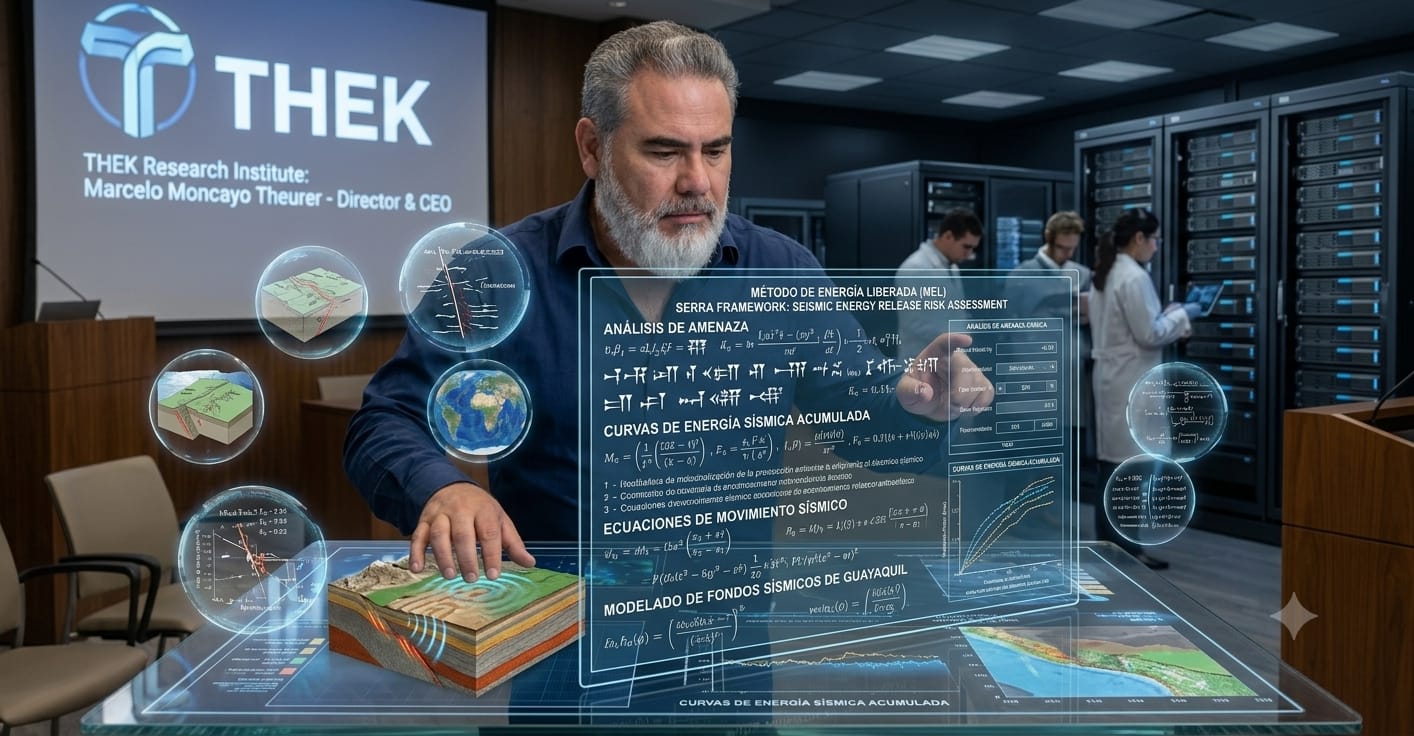
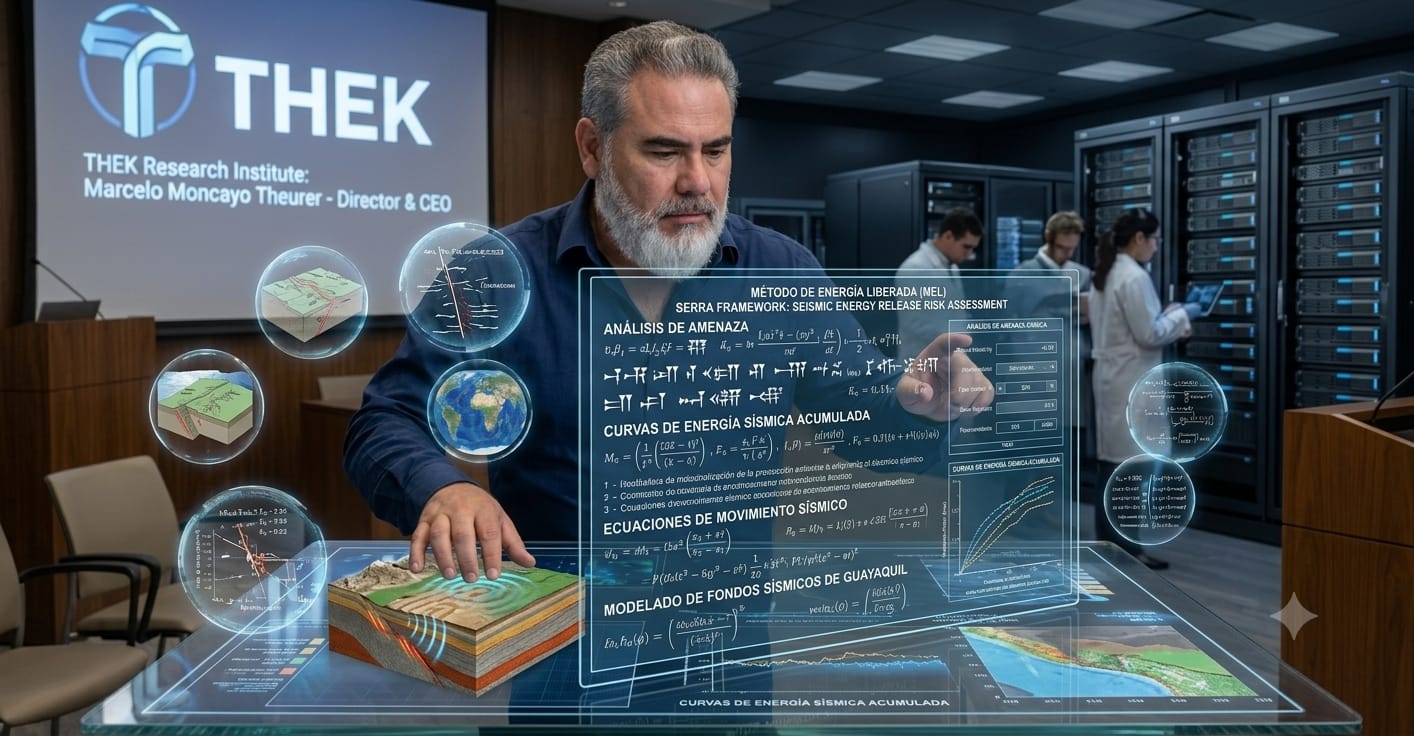
In the methodological field, Moncayo Theurer has developed original engineering frameworks and frontier scientific methodologies, including SERRA/MEL (Seismic Energy Release and Redistribution Analysis / Modelling Equivalent Magnitude), conceived to transform complex seismic catalogs into dynamic energy-release curves without relying on arbitrary statistical thresholds. His work is complemented by the creation of the THEK, which institutionalizes a permanent channel for altruistic knowledge transfer to new generations of engineers.

Beyond academia, Marcelo Moncayo has maintained a significant public role in Ecuador, frequently consulted by mass media—including the newspaper El Universo—following major seismic events, translating the complexity of Earth sciences into accessible explanations for the public with pedagogical rigor.
02

International education

Ecuador · Japan · Germany

ECUADOR · ESPOLCivil Engineering

1999 thesis: Study of Inelastic Spectra and Reduction Factors for the City of Guayaquil. Supervisor: Eng. Otton Lara Montiel.

JAPAN · JICA / BRI-IISEEEarthquake Engineering

Work linked to the University of Tokyo under Professor Kenichi Ohi. Research on energy input and absorption in frames.

GERMANY · TUM / DAADM.Sc. Computational Mechanics

Advanced training in computational mechanics, finite elements, and numerical formulations at the Technical University of Munich.

03
Chronological history

CHRONOLOGICAL HISTORY, CAREER AND SCIENTIFIC PRODUCTION: MARCELO MONCAYO THEURER

1. Education and Early Career (1999–2005)

Undergraduate Education and Thesis (ESPOL): Completion of his civil engineering studies at Escuela Superior Politécnica del Litoral (ESPOL), under the guidance and undergraduate thesis supervision of the recognized academic and researcher Eng. Otton Lara Montiel.

Scientific Merit Award from the Honorable National Congress of Ecuador (2001): Historic legislative distinction awarded during his early career in recognition of pioneering contributions to the analysis of seismic behavior and earthquake energy.

Experimental and Theoretical Research in Japan (2000–2001): Development of his postgraduate thesis “Calculation of the Energy Input and the Energy Absorption Capacity for Frames” at the Building Research Institute (BRI) / International Institute of Seismology and Earthquake Engineering (IISEE) and at the University of Tokyo under Professor Kenichi Ohi, supported by a Japan International Cooperation Agency (JICA) scholarship. The work is referenced in international earthquake-engineering databases (PASCAL-Francis, INIST-CNRS, France).

Specialization in Computational Mechanics (TUM, Germany): Acquisition of advanced skills in finite-element modeling, inelastic material behavior, and matrix numerical formulations at the Technical University of Munich (TUM)—with a DAAD scholarship—working directly alongside leading international figures in the field, including Professors Kai-Uwe Bletzinger, Manfred Bischoff, Ernst Rank and Alexander Düster.

Initial Formulation of the Guayaquil–Caracas Geodynamic System (2005): First documented formulations concerning the transfer of regional tectonic stresses across the South American continental belt.

2. Consolidation, Full Professorship and Civil Works (2006–2015)

Appointment and Advancement as Full Professor: A merit-based competition established him as a Full Professor at the University of Guayaquil, teaching advanced courses in structures, matrix analysis, and soil dynamics.

Civil Engineering Project Leadership: Technical leadership in the conception, structural calculation, design, and oversight of residential, industrial, and road complexes on Ecuador’s coast.

Development of Teaching Methodologies: Creation of internal analytical guides and advanced academic support material for the education of new generations of civil engineers.

3. Editorial Work, Book Production and Public Commentary (2016–2024)

Editorial Production and Books on Amazon KDP (15 Published Books): Writing and publication of a series of 15 specialized technical works for higher education and professional consultation in civil engineering, geophysics, and structural analysis. Notable volumes distributed through global platforms such as Amazon KDP include Tectónica de Placas.

Presence in Public Commentary: Consolidation of his role as a columnist and scientific analyst in national media, principally the newspaper El Universo), addressing disaster prevention, construction ethics, and civic responsibility with pedagogical and technical rigor.

4. Open Science, Frontier Frameworks and International Recognition (2025–2026)

Deposits and Records on Zenodo / Open Science (2025–2026): Creation and publication of 24 principal methodological records in international open-access repositories (CERN/Zenodo and Figshare), recording thousands of reads in more than 40 countries.

Framework SERRA/MEL (Seismic Energy Release Risk Assessment / Modelling Equivalent Magnitude): Mathematical development for transforming complex seismic catalogs into dynamic energy-release curves without relying on arbitrary statistical thresholds.

SECA-DM Frameworks and Discrete Modeling: Creation of analytical tools for estimating severe consequences and structural damage under extreme seismic scenarios.

FGET and NFF (Formula Genomics and Evolution Theory and Nested Formula Framework): Publication of advanced mathematical-discovery methodologies through coefficient recursion and evolutionary convergence of formal systems.

Merit Award for Outreach from the Latin American Confederation of Journalism: International distinction recognizing his sustained work translating the complexity of Earth sciences and engineering into public language with ethical rigor.

Institutional Decorations (2023): Eugenio de Santa Cruz y Espejo Decoration, a major distinction for scientific contribution and service to Ecuadorian society.
Merit Decoration of the Municipality of Guayaquil, in recognition of his professional career and contribution to local development.
Merit Recognition of the Benemérita Sociedad Filantrópica del Guayas, for civic integrity and academic leadership.

5. Conferences, Presentations and International Academic Participation

6th International Conference on Seismic Zonation (California, USA): Presentation of papers on seismic zonation, hazard, and the dynamic response of structures.

Lectures at IISEE / Building Research Institute (Japan): Presentation of research on the energy-dissipation capacity of reinforced-concrete structures under severe earthquakes.

University Forums and Lecture Series in South America and Europe: Specialized lectures on computational mechanics, finite-element modeling, and analytical frameworks for energy release.

6. Research Projects and Engineering Works

Applied Research Projects (University of Guayaquil / THEK): Coordination of studies on soil vibration periods, seismic microzonation, and modeling of urban dynamic response.

Major Civil Works: Technical management, structural calculation, design, and oversight of road complexes, high-rise buildings, and major industrial infrastructure.

Open-Science Platforms: Creation of technological tools such as the THEK Lab Monitor and intelligent virtual advisory systems (MBot).

7. Undergraduate Thesis Supervision and Academic Mentoring

Having educated generations of civil engineers at the University of Guayaquil, he has supervised documented undergraduate theses focused on critical areas of structural safety:

Supervised Undergraduate Thesis: “Evaluation of Nonlinear Seismic Behavior in Reinforced-Concrete Frames Using Inelastic Capacity Spectra” (Faculty of Mathematical and Physical Sciences, University of Guayaquil).

Supervised Undergraduate Thesis: “Spectral Dynamic Analysis and Its Influence on the Structural Response of Framed Buildings Located on Highly Compressible Soils in the Lower Guayas Basin”.

Supervised Undergraduate Thesis: “Comparative Study of Base-Shear Parameters and Lateral-Force Distribution According to Seismic Design Codes Versus Local Historical Accelerograms”.

04

Scientific production and proposals

The documented scientific record does not begin with Zenodo: it connects historical works, academic publications, and the current open-science stage.

Documented historical sequence · 1996–2026

1996 · 11WCEEEstimation of Dynamic Characteristics of Soils for Code Purpose. Work included in the author’s historical catalog and documented in the Impact dossier.
1999 · ESPOLStudy of Inelastic Spectra and Reduction Factors for the City of Guayaquil. Civil Engineering thesis attributed to Lenin Marcelo Moncayo Theurer and supervised by Otton Lara Montiel.
2000 · 12WCEEOn the Characteristics of Soft Soil, Inelastic Design Response Spectra for the City of Guayaquil, Ecuador.
2000 · 6ICSZRecovery of the Seismogram and Generation of the Semi-Synthetic Accelerogram for the Bahía de Caráquez Earthquake (Ms=7.2).
2000 · 6ICSZEnergy Released Approach, on the Seismic Behavior Characteristics of Ecuador.
2000 · 6ICSZInelastic Design Response Spectra for Guayaquil City.
2000 · Japan / IISEECalculation of the Energy Input and the Energy Absorption Capacity for Frames. Trabajo documentado en Individual Studies by Participants to the International Institute of Seismology and Earthquake Engineering, vol. 36, pp. 163–175, and recorded in PASCAL–Francis / INIST–CNRS.
Later academic stageCarbon Fibers as an Alternative for Structural Strengthening; Geogrid as a Reinforcement Element in Flexible Pavements; Parameters for Constructing a Mathematical Model to Simulate the Dynamic Behavior of Soil Beneath the University of Guayaquil; Earthquakes Greater Than 6.5 on the Richter Scale Occurring in Ecuador from 1900 to 1970; Comparative Analysis of 13 Attenuation Laws and the Records of a Magnitude 7.1 Event; Analysis of the Recurrence of Severe Earthquakes in Ecuador; y Energy Released Approach: On the Seismic Behavior Characteristics of Ecuador.
2016 · IIIS / WMSCIAn Evolutionary Metaheuristic for the 2D Guillotine Cut Problem. Authors: José Ignacio Peláez, A. H. Yáñez, Eduardo A. Santos, and L. M. Moncayo. The Impact dossier documents the paper in the official IIIS/WMSCI proceedings and its record among results whose source includes Scopus.
2025–2026 · Open science and frameworksThe recent stage integrates methodologies, frameworks, formulations, papers, and systems within the scientific inventory monitored by Impact and open-science repositories. Impact records 24 monitored Zenodo DOIs, including historical versions retained for documentary and statistical traceability.
HISTORICAL WORKSEarthquake engineering and dynamics

Inelastic spectra, dynamic soil characteristics, released energy, record reconstruction, and energy absorption.

ACADEMIC PUBLICATIONSApplied research

Carbon fibers, geogrids, dynamic soil behavior, historical seismicity, attenuation laws, and seismic recurrence.

OPEN SCIENCE24 monitored Zenodo records

Impact’s current inventory integrates papers, frameworks, methods, systems, and historical versions for documentary traceability.

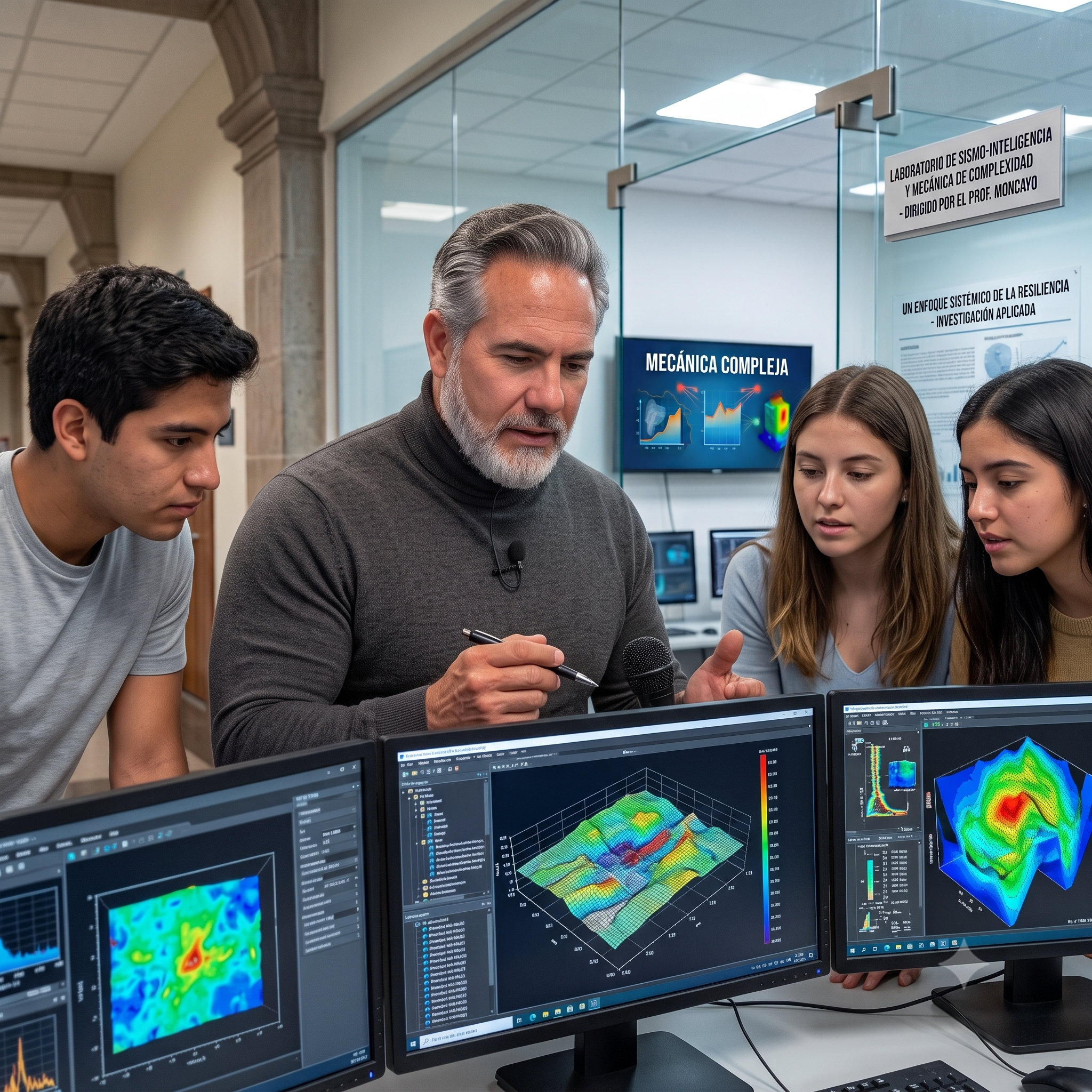
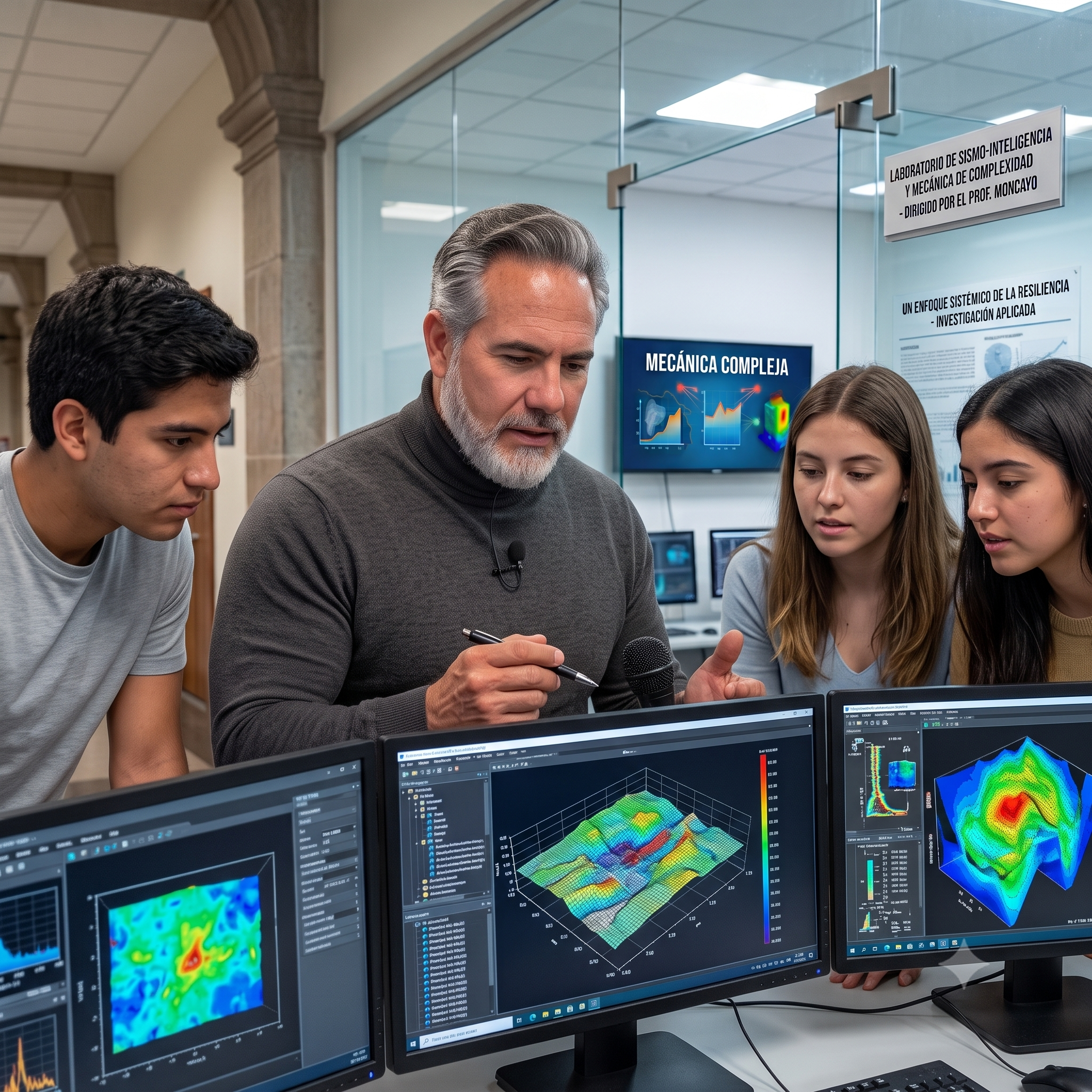
THEK frontier scienceTHEK researchTHEK complex mechanics

Impact documentary note: the deposit date on Zenodo, Figshare, or another repository does not necessarily equal the date a method was created; several methodologies were developed, applied, or studied in earlier years.

05

Engineering and professional experience

Research is also grounded in practical engineering experience.

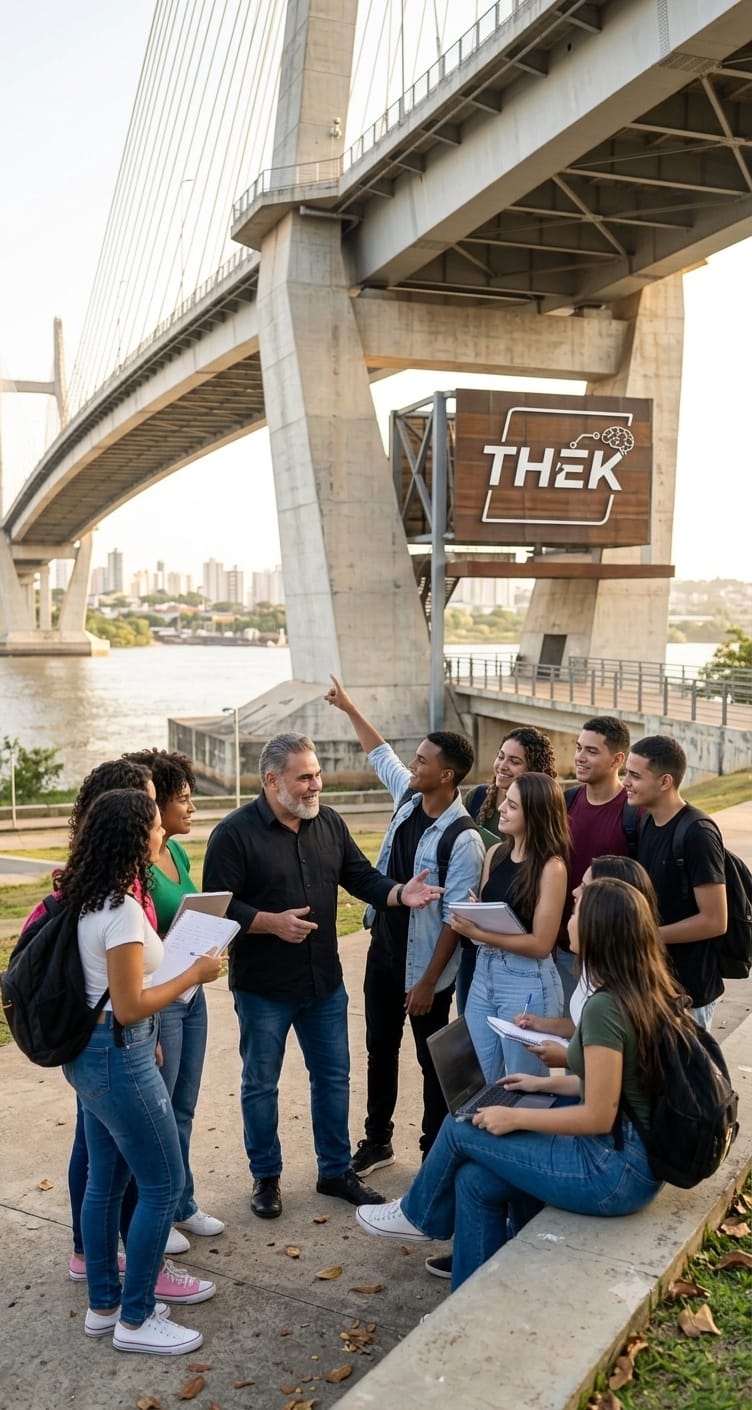
Engineering and bridgeTHEK engineeringProfessional experience
Structural design and analysis

Buildings, structures, and application of earthquake-resistant design criteria.

Infrastructure

Professional participation in civil works, road infrastructure, and large-scale projects.

Construction oversight and supervision

Field experience that informs an applied understanding of engineering problems.

06

University, teaching and thesis supervision

Educating new generations of civil engineers.

UNIVERSITY OF GUAYAQUILFull Professor

University teaching in structures, dynamics, numerical methods, and engineering analysis.

MENTORINGThesis Supervisor

Supervision of undergraduate theses on vulnerability, seismic behavior, structures, released energy, and risk assessment.

KNOWLEDGE TRANSFERTHEK and open education

Tools, content, and systems designed to broaden access to technical knowledge.

Supervised undergraduate theses

Seismic Risk Assessment of Single-Family Homes in Vinces
Supervisor: Marcelo Moncayo Theurer
Analysis of a Mat Foundation for a Five-Story Building Using SAP2000
Supervisor: Marcelo Moncayo Theurer
Comparative Analysis of the University of Guayaquil Structural Seismic Evaluation Method and the FEMA Method Applied to Two- to Four-Story Structures in Santa Rosa Canton, El Oro Province
Supervisor: Marcelo Moncayo Theurer
Comparative Analysis of FEMA and University of Guayaquil Seismic Vulnerability Methods for a Severe-Earthquake Scenario
Supervisor: Marcelo Moncayo Theurer
Comparative Analysis of the Gumbel Statistical Method and the Released-Energy Method for Determining Seismic Behavior in South American Countries
Supervisor: Marcelo Moncayo Theurer
Comparative Analysis of X-Braced and Inverted-V CBF Systems for a Building Considering the Seismic Action of the 2016 Pedernales Earthquake
Supervisor: Marcelo Moncayo Theurer
Effectiveness Analysis of the Vertical-Irregularity Coefficient in the Ecuadorian Construction Standard (NEC-2015)
Supervisor: Marcelo Moncayo Theurer
Determination of Released-Energy Parameters over 120 Years for Ecuador’s Most Populous and Seismically Active Cantons
Supervisor: Marcelo Moncayo Theurer
Mapping Seismic-Coefficient Values for All Provinces of Ecuador and Analyzing Their Consistency Against the NEC-2015 Seismic Hazard Map
Supervisor: Marcelo Moncayo Theurer
Influence of Masonry on the Seismic Behavior of Seven-Story Reinforced-Concrete Framed Structures in Guayaquil
Supervisor: Marcelo Moncayo Theurer
Study of the Seismic Response of Medium- and High-Rise 2D Frames Using Nonlinear Analysis on Type-E Soils in Seismic Zone V in Guayaquil
Supervisor: Marcelo Moncayo Theurer
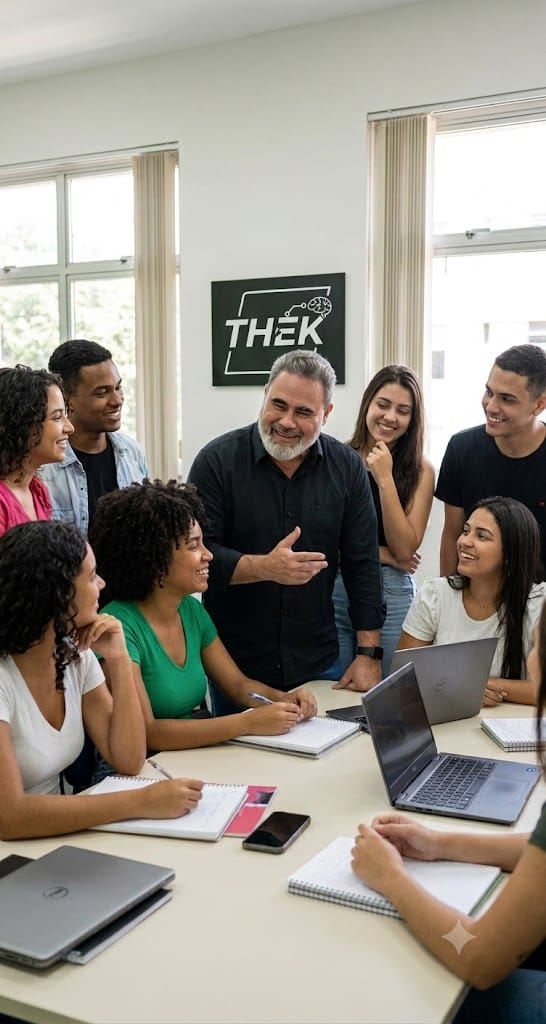
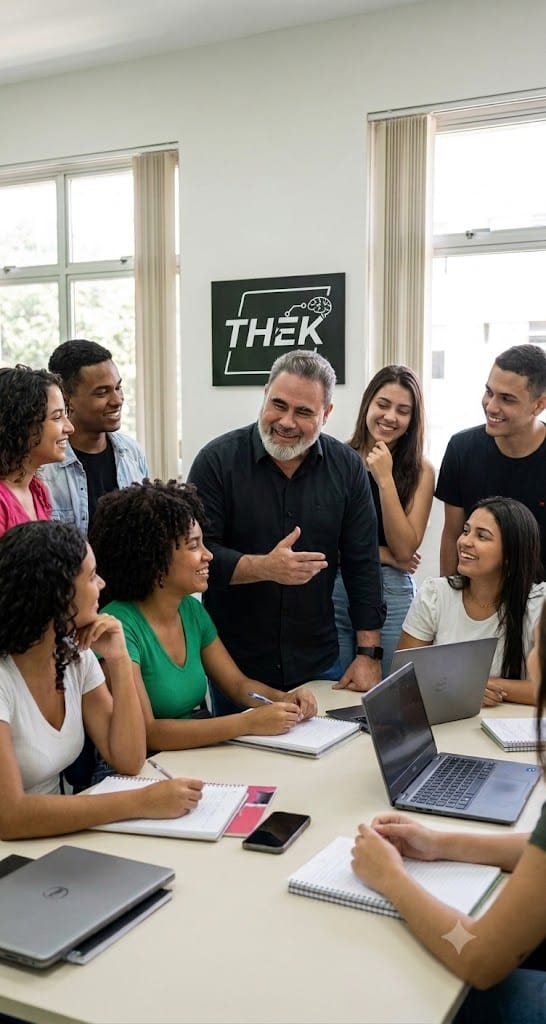
Group classClassroomInternational conference
07

Published books

Impact reports 15 books on Amazon and individually identifies 14 titles.

La Histéresis y la Dinámica: Conceptos Básicos
El Periodo Natural: Fórmulas Inéditas
Sobrevive al Terremoto
La Incertidumbre del Futuro: Para los Jóvenes
Cómo Ser Feliz en Medio de la Incertidumbre: Para Jóvenes
Cambiando el Destino
El Código Solar
Libertad y Liberalismo
Formulación para Separación de Edificios
Centroide: La Estática
La Tectónica de Placas
Los Hombres de la Sísmica: Los que Sentaron las Bases
El Campo Magnético Debilitado: Razones
El Interior del Planeta: Lo que Sustenta la Vida

The structured total in Impact is 15; the available inventory individually identifies 14 titles. The missing title is not invented.

08

Awards, recognition and scholarships

Academic, scientific, and institutional milestones throughout the career.

2001Merit Award

Honorable National Congress of the Republic of Ecuador.

INTERNATIONAL EDUCATIONJICA · Japan

Scholarship associated with specialized training in earthquake engineering.

INTERNATIONAL EDUCATIONDAAD · Germany

Scholarship context for M.Sc. studies at the Technical University of Munich.

2022/2023 · PUBLIC CATALOGSEugenio de Santa Cruz y Espejo

Recognition recorded in the Impact documentary dossier.

2023 · PUBLIC CATALOGM. I. Municipalidad de Guayaquil

Merit Award recorded in the documentary dossier.

1982–1983 · PUBLIC CATALOGAcademic Excellence

Guayas Philanthropic Society.

09

Principles and Philosophical Thought on Education (Classical Confluence)

Knowledge, education, civic responsibility, and service.

In his view of higher education, knowledge, and the education of future professionals, Marcelo Moncayo Theurer’s thought draws on the guiding principles of classical Western philosophy—with particular resonance in the Aristotelian and Platonic distinctions addressed in his essays and public reflections—:

1. The Distinction Between Experience and Science (The Aristotelian Legacy): In keeping with the principles of Aristotle’s Metaphysics his educational perspective rejects mere utilitarian empiricism and the uncritical use of automated technological tools. Moncayo holds that a person who possesses only experience knows what happens, but the true scientist and engineer must know why phenomena occur and understand their ultimate cause. For him, higher education cannot be reduced to repeating technical recipes or accumulating superficial data; it must seek a deep understanding of the causal principles governing nature and structures.

2. Education as Intellectual Ascent and Civic Responsibility (Platonic Roots): From a perspective grounded in the conceptual rigor of classical academia, he conceives university education as a space for emancipating critical judgment from the superficiality of its surroundings. Technical instruction must be inseparably linked to virtue and the moral duty to protect society.

3. Science as a Moral Duty and Altruistic Service: His educational and professional philosophy holds that advanced knowledge is neither a commercial privilege nor a sterile end, but an unavoidable ethical commitment to safeguard human life and reduce the structural vulnerability of communities.

10

THEK: current stage and ecosystem

The career now converges in an integrated environment of research, open science, education, analysis, and outreach.

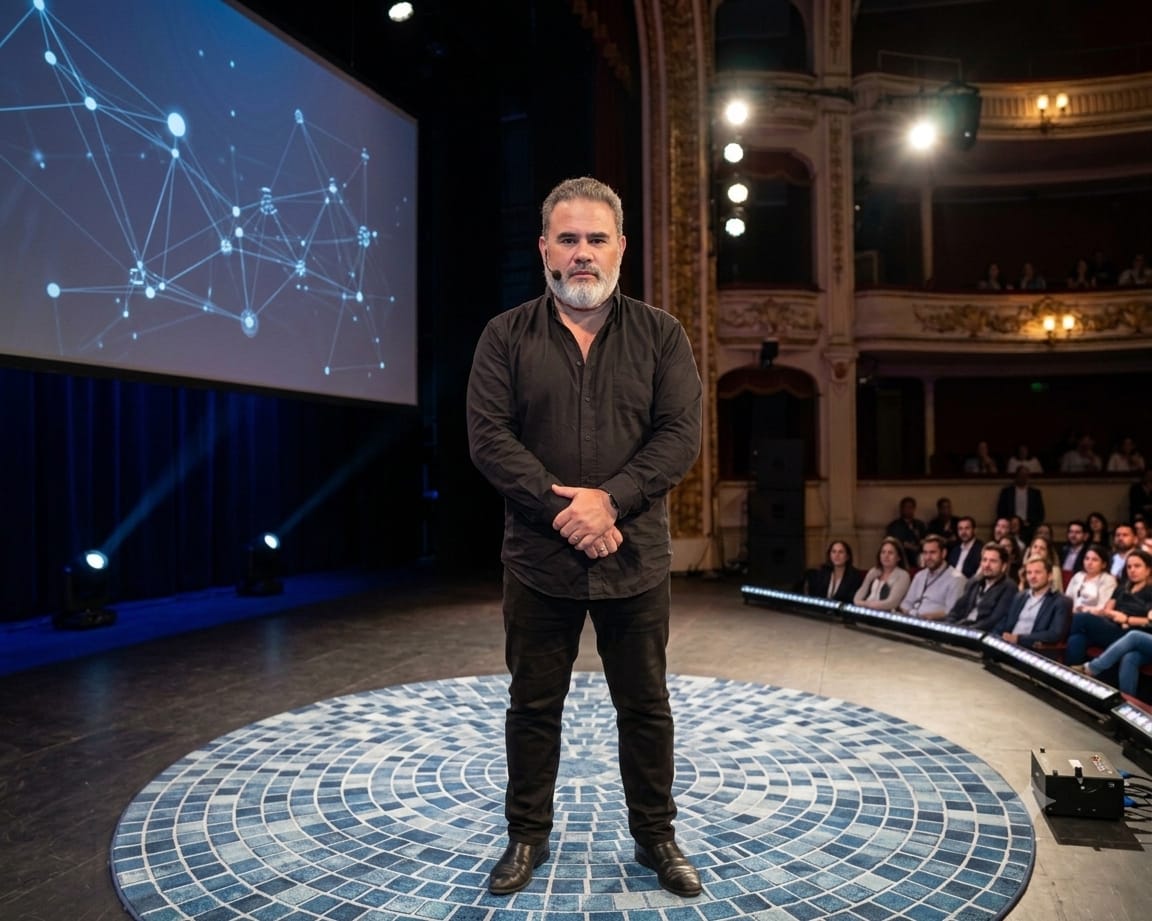
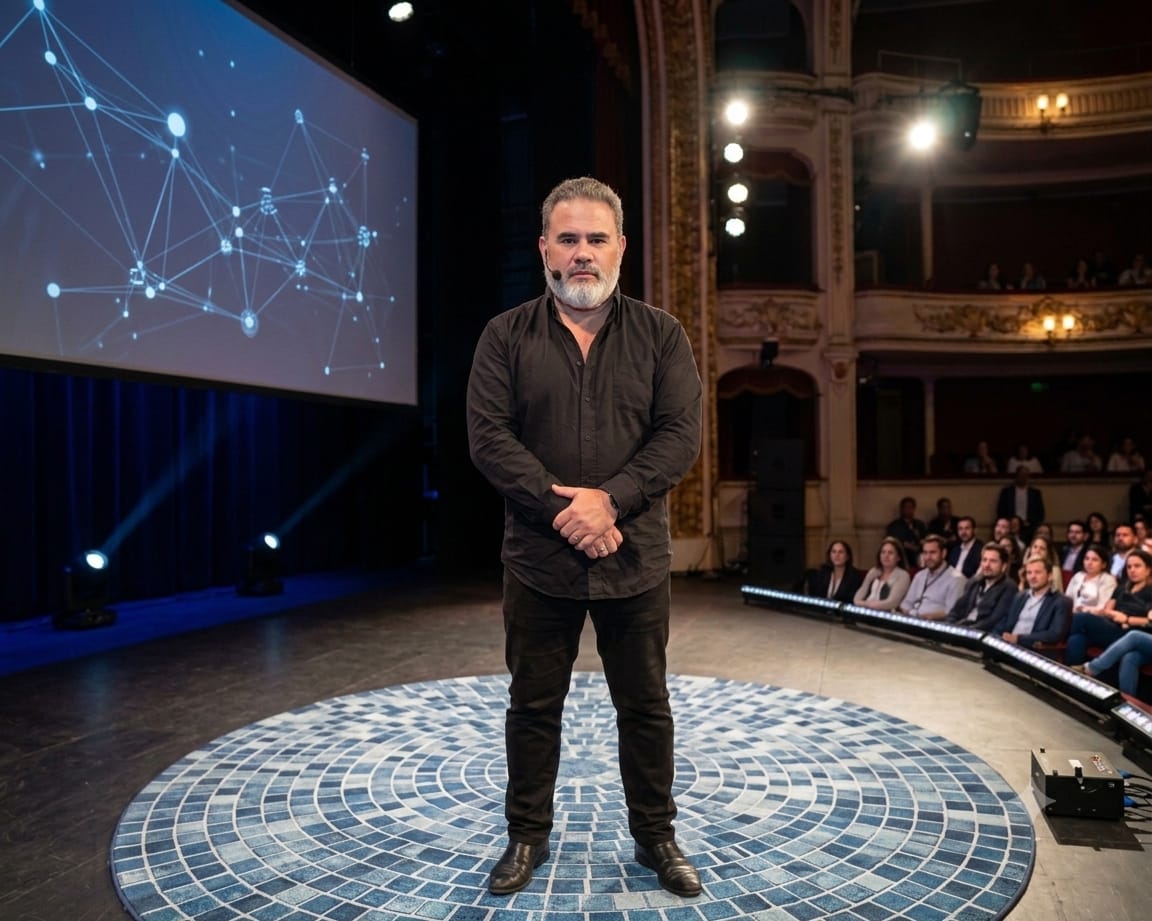
THEKTHEK conferenceTHEK STEM laboratory
Connected to the THEK environment

THEK Ecosystem