Engineer, researcher, university professor, author of 18 books, developer of 3 mathematical frameworks and 15 original formulas — 30+ years transforming engineering knowledge into tools that protect societies, build resilience, and empower the next generation of scientists.
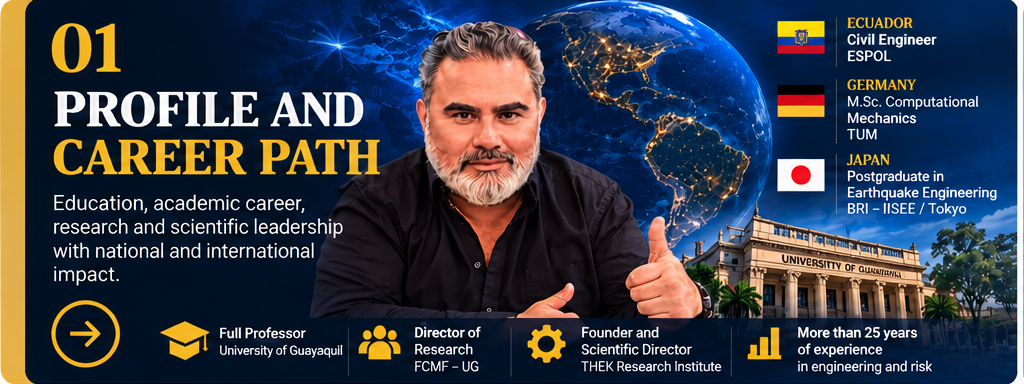
M.Sc (TUM). Marcelo Moncayo Theurer is a civil engineer, seismic intelligence expert, researcher, and university educator whose career represents one of the most intellectually diverse trajectories in Latin American engineering. He holds a Master's degree in Computational Mechanics from Technical University Munich (TU München) — one of the world's leading technical universities — and postgraduate specialization in earthquake-resistant design at BRI-IISEE, Japan and the University of Tokyo.
As Full Professor with Tenure (Profesor Titular) at the Universidad de Guayaquil — the highest academic rank in Ecuadorian higher education — Moncayo holds the Chair in Seismic Modeling at the Faculty of Physical and Mathematical Sciences, directing research groups that produce original scientific work in structural dynamics, earthquake intelligence, and computational engineering. With over 30 years of combined teaching and research, he has taught and mentored hundreds of engineers across multiple generations.
Through careful genealogical research on Myheritage and Ancestry, Moncayo has established that he is a direct lineal descendant of Johannes Kepler — 15 generations removed — through Sebaldus Kepler, mayor of Weil der Stadt, Germany. This heritage is not merely biographical curiosity: it shapes an intellectual identity built on synthesis, pattern recognition, and the conviction that science must serve humanity.
A career dedicated to producing, teaching, communicating, and applying scientific knowledge in service of society — across engineering, mathematics, AI, infrastructure, and resilience science.
Chair in Seismic Modeling at the Universidad de Guayaquil — highest academic rank. Teaching structural dynamics, FEM, numerical analysis, seismic engineering, reinforced concrete, and physics. Director of research groups producing original peer-reviewed scientific work.
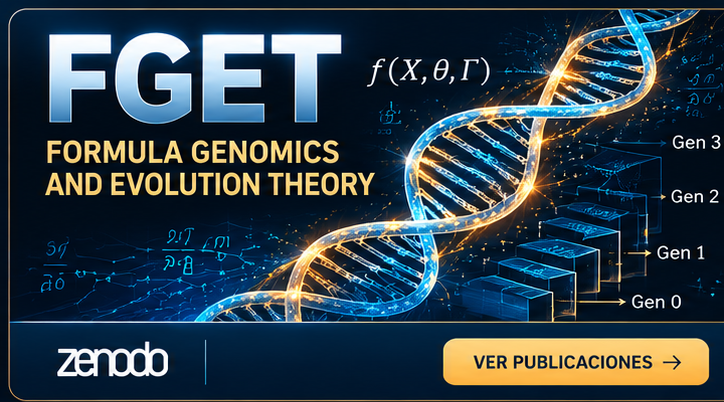
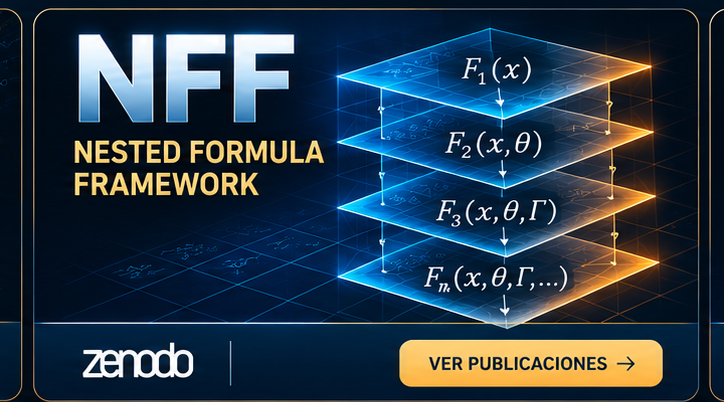
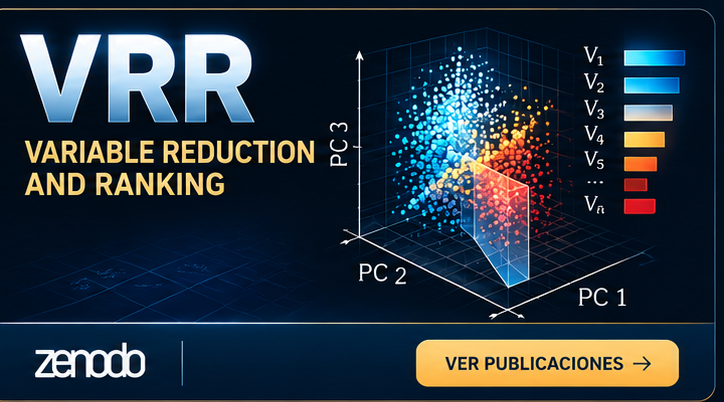
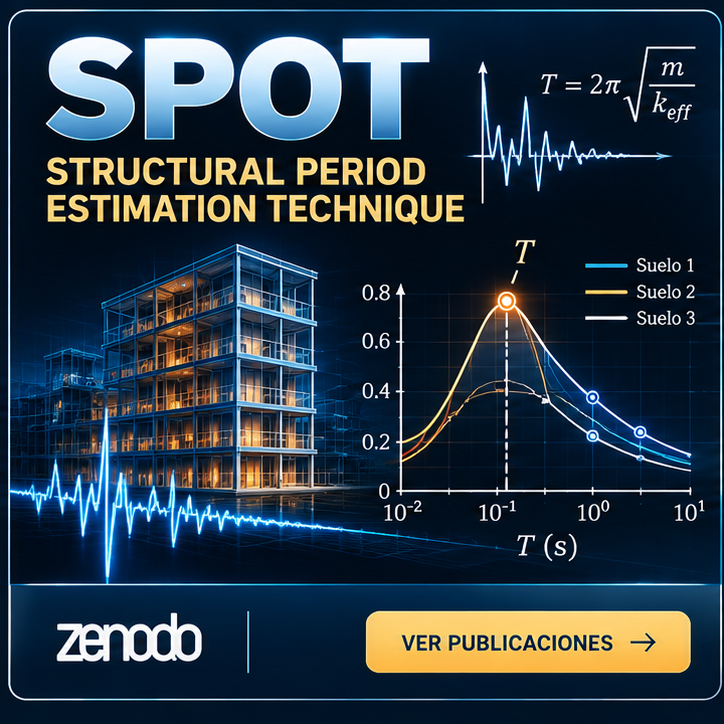
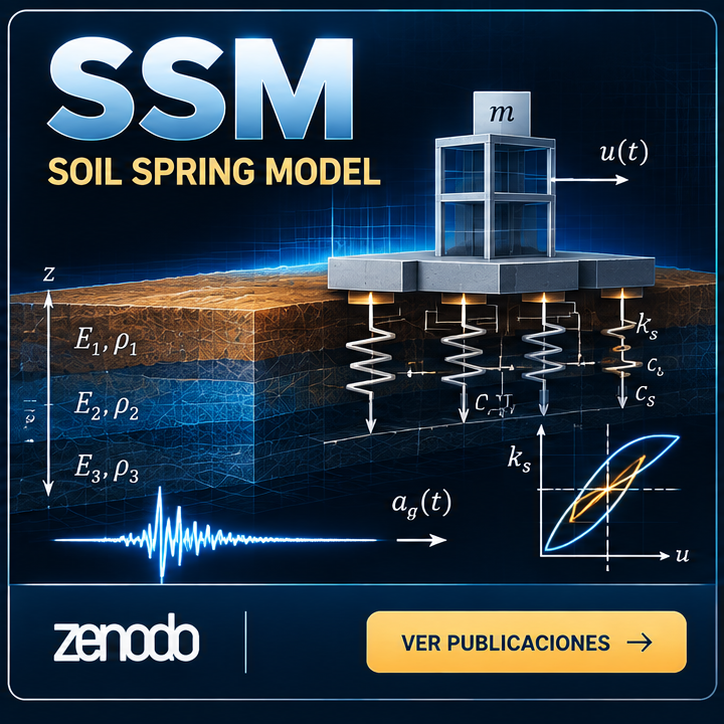
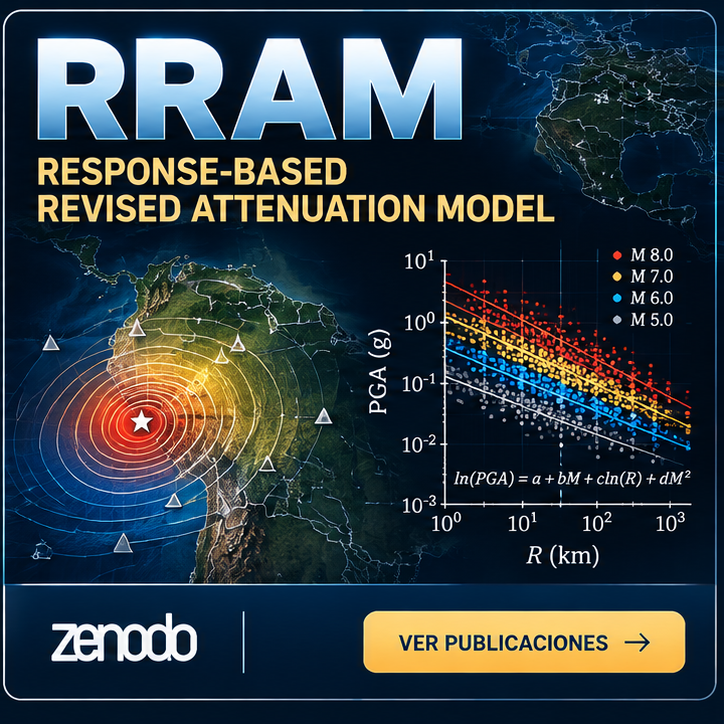
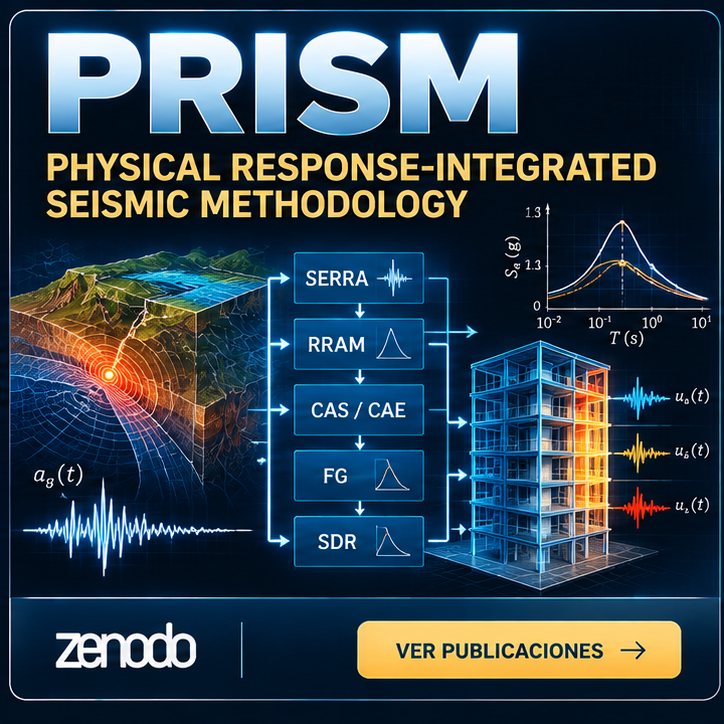
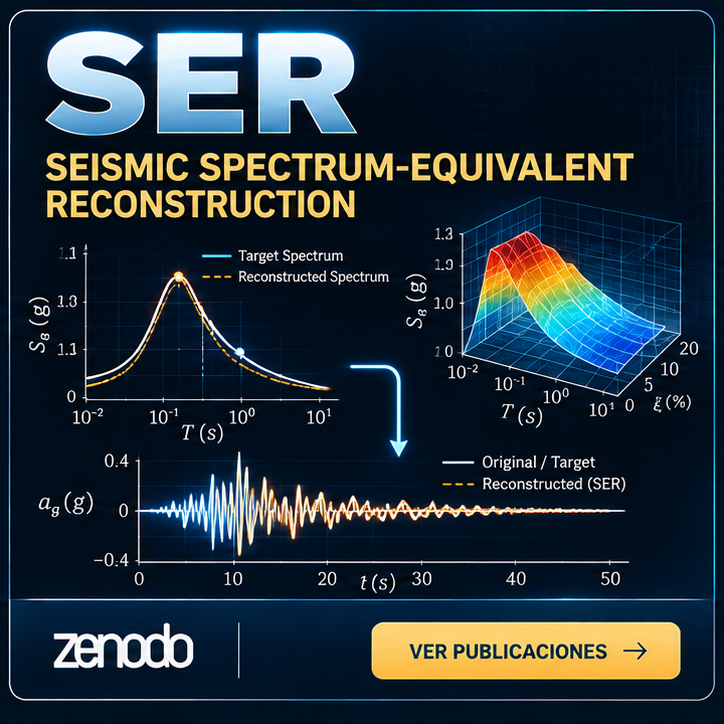
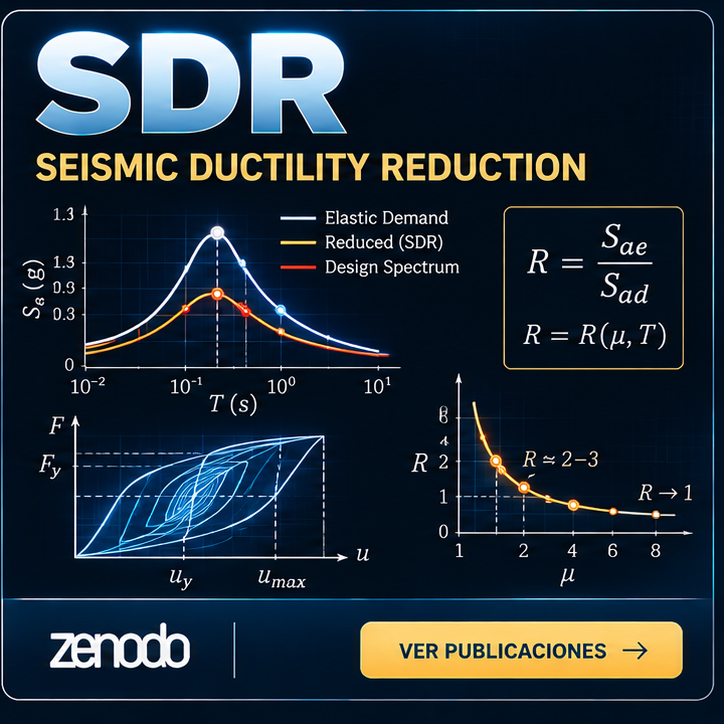
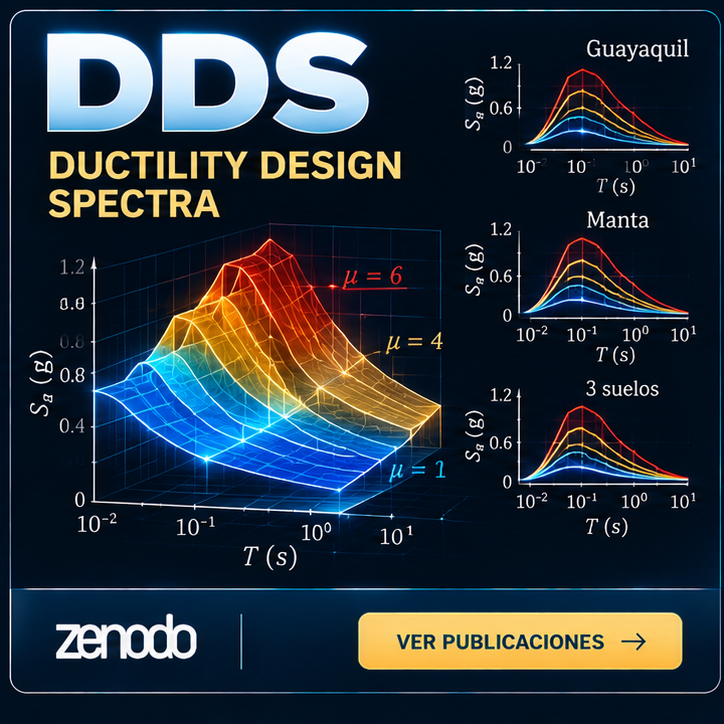
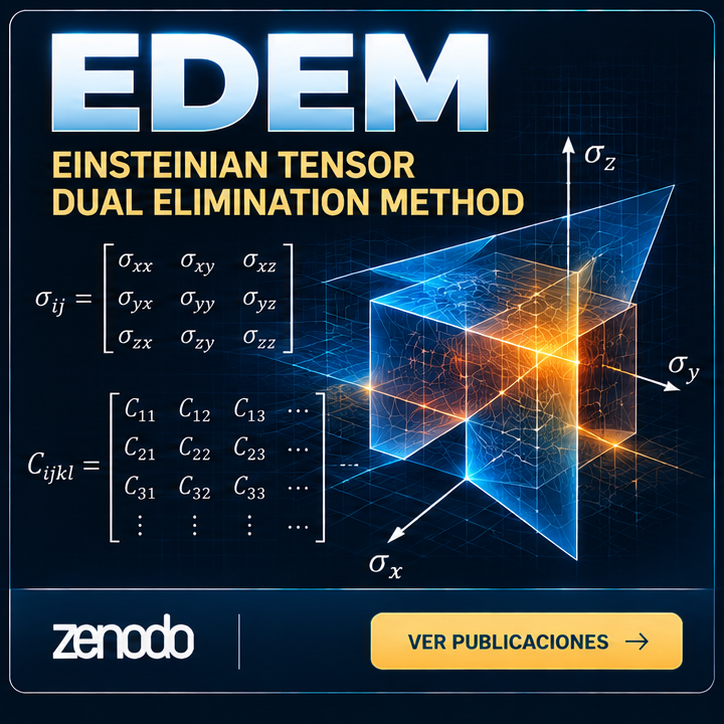
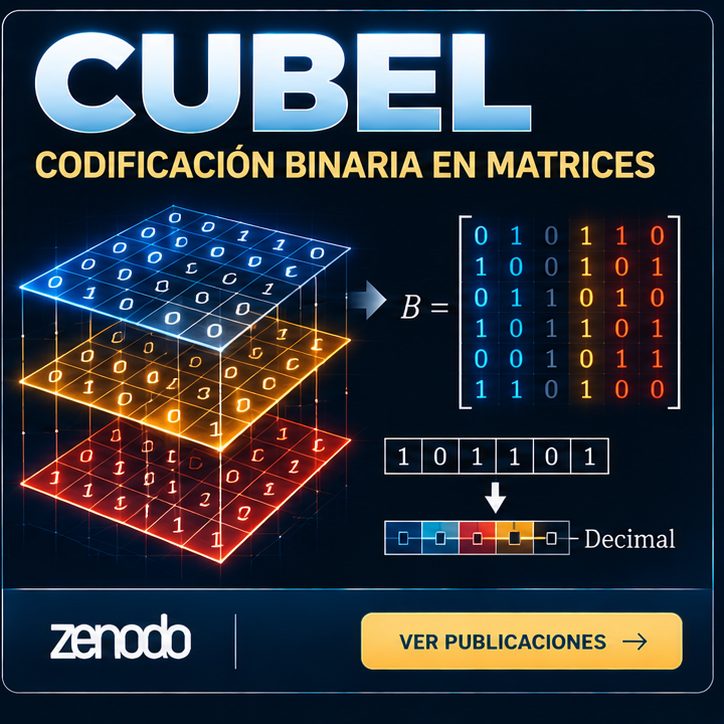
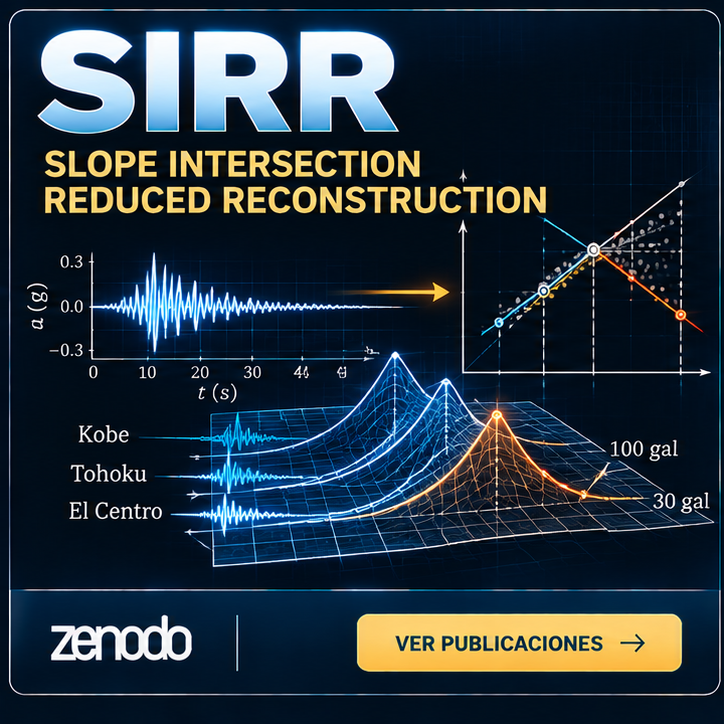
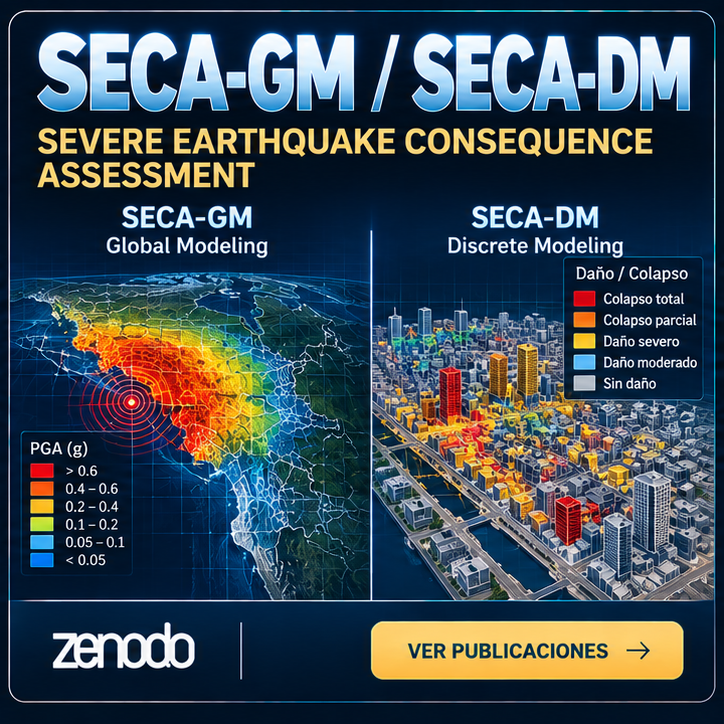
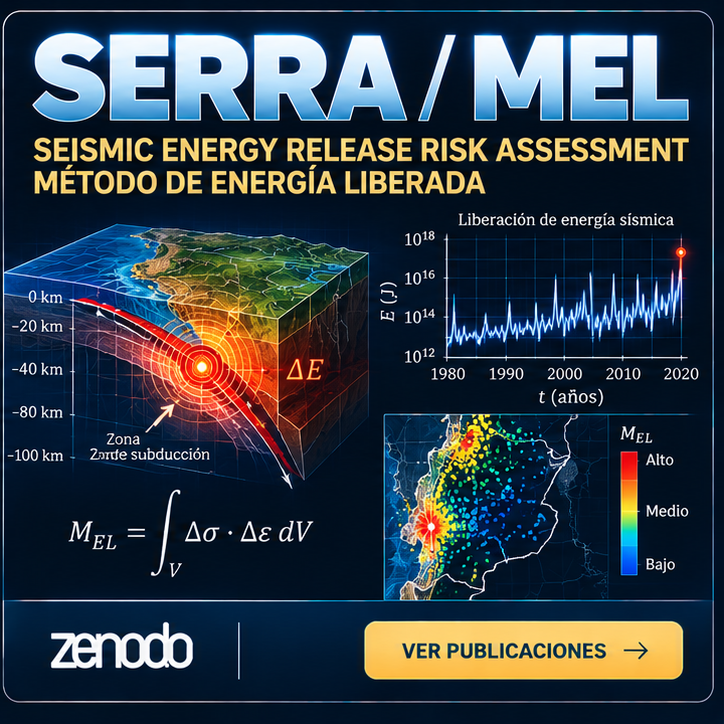
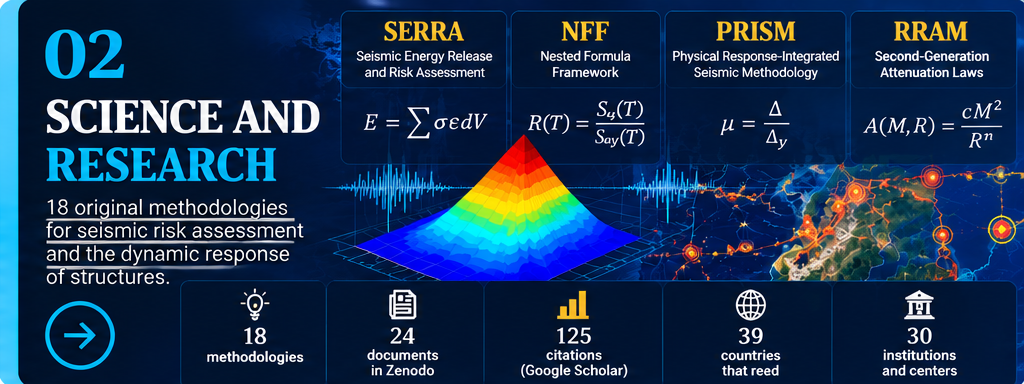
Author of three original mathematical frameworks for seismic risk assessment and formula generation — systematic computational approaches that transform complex physical phenomena into precise, actionable engineering models. Designed to help societies and companies assess and reduce seismic risk.
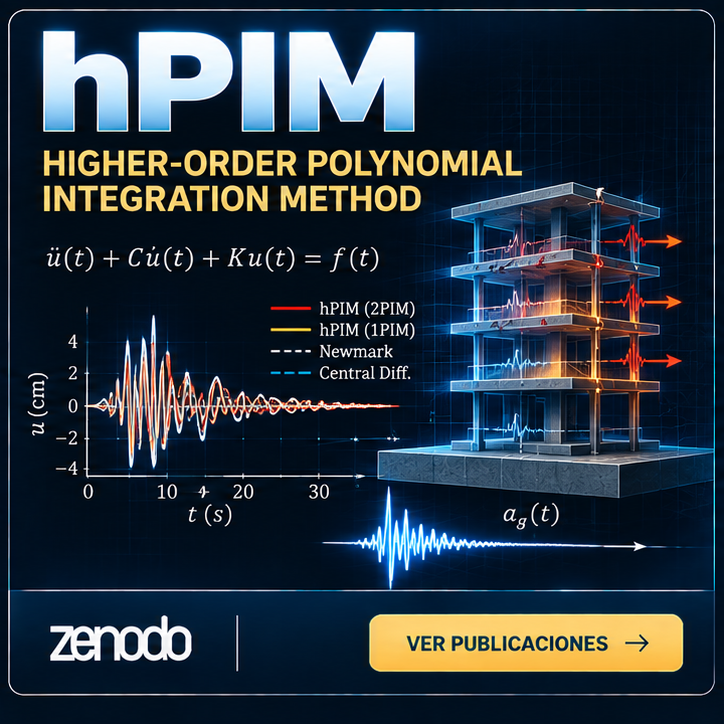
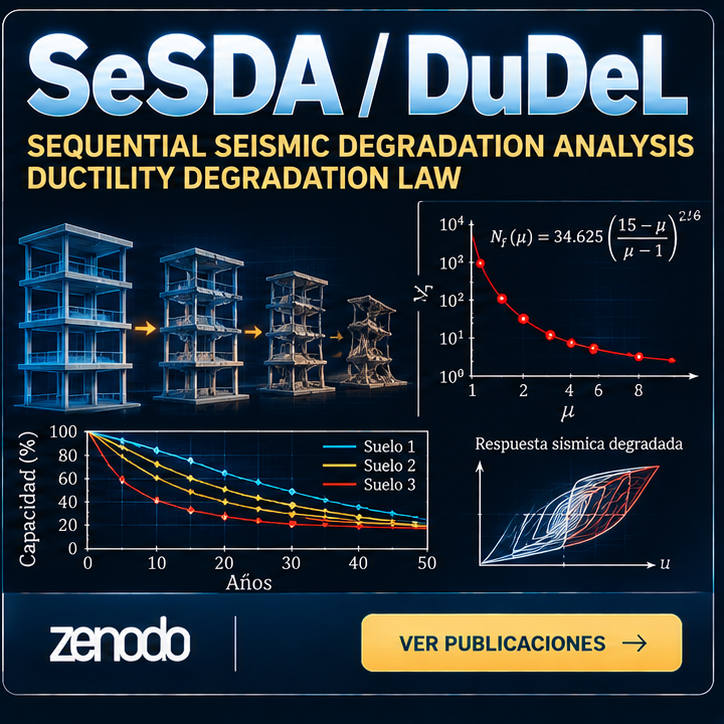
Developer of 15 new mathematical formulas across structural dynamics, seismic engineering, and computational mechanics — contributing original analytical tools that are actively used in research, engineering practice, and the hiTHEK Academy curriculum.
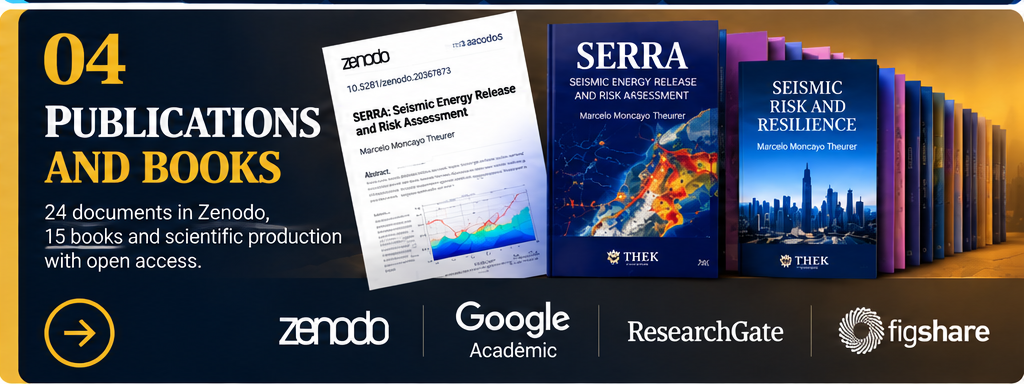
Author of 18 books — several available on Amazon — covering seismic engineering, structural dynamics, mathematical methods, computational mechanics, tectonic plates, and interdisciplinary science. Combined with peer-reviewed papers published in Redalyc, Dialnet, EERI, and IISEE journals.
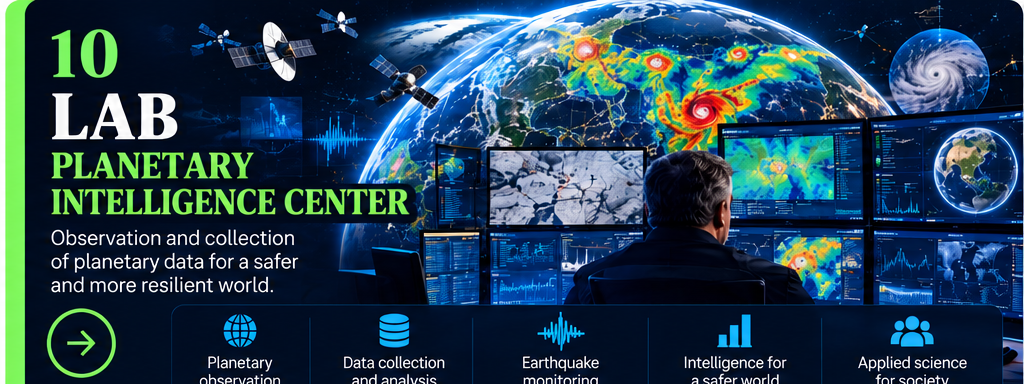
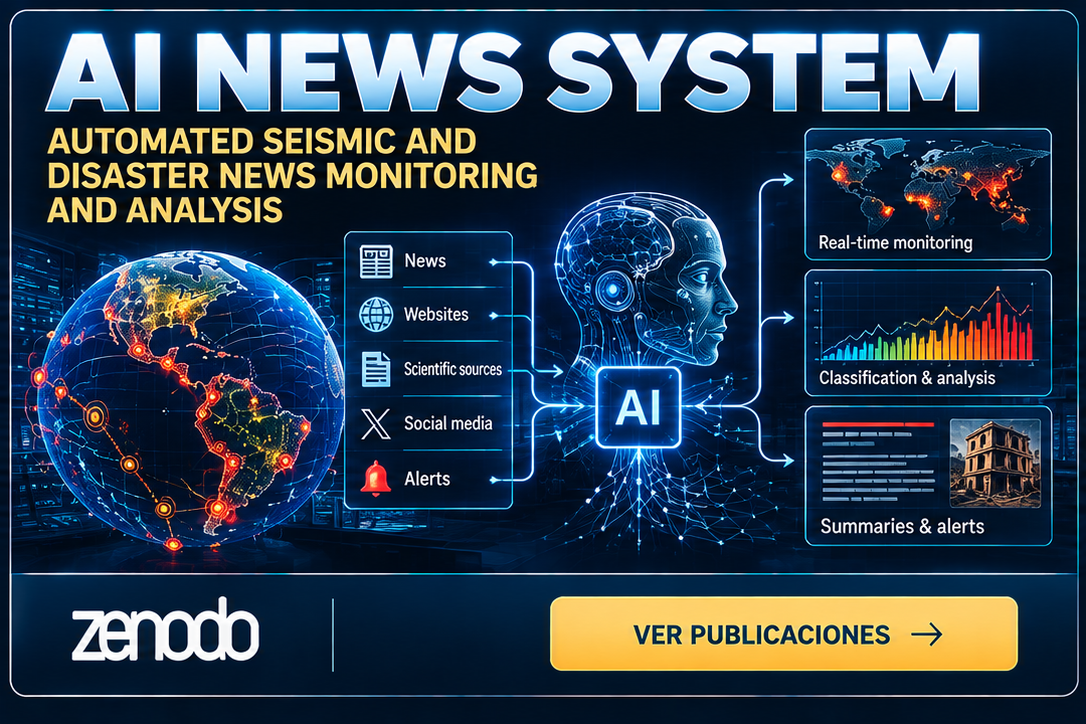
Development of scientific software tools, seismic monitoring dashboards, AI automation systems, and generative AI applications — deployed across the THEK ecosystem for research, education, and planetary intelligence. Python-based computational engineering tools.
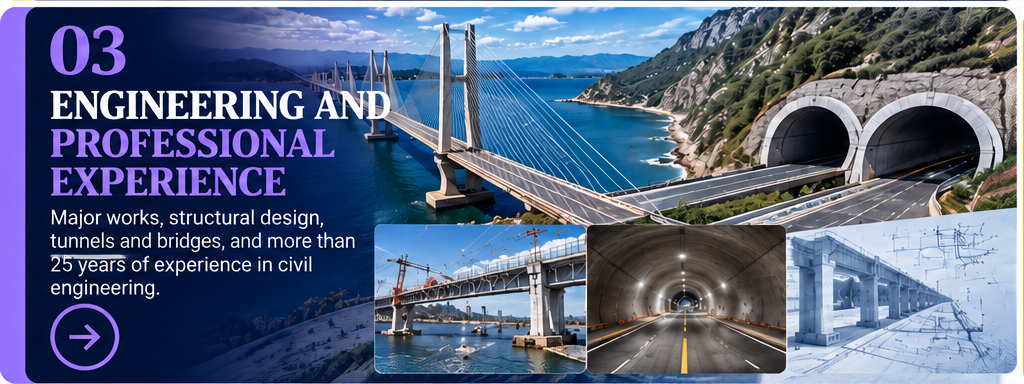
Director of Ecuador's largest road tunnel (Túnel San Eduardo), skyscraper structural design, Ecuador's longest bridge, and multiple three-tier bridges. Over $200M in construction and $20M in consultancy — engineering theory applied at national scale.
Extensive career in technical supervision (fiscalización) of major civil engineering projects — ensuring structural integrity, seismic compliance, and construction quality. A foundation of practical engineering rigor that informs all theoretical and academic work.
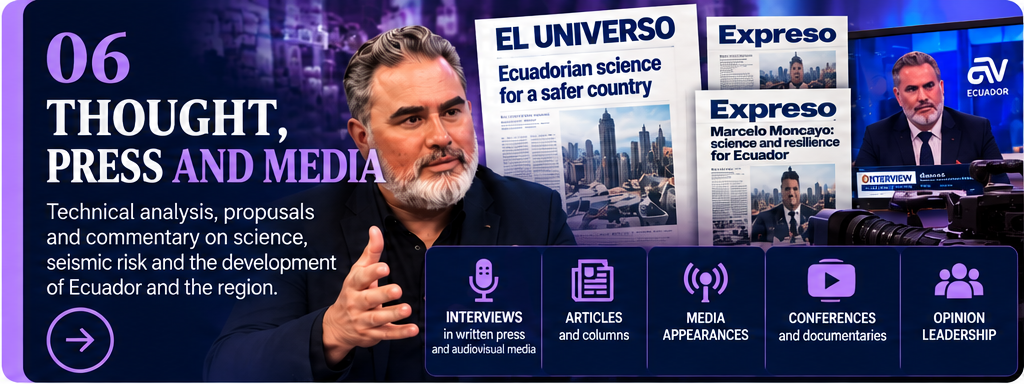
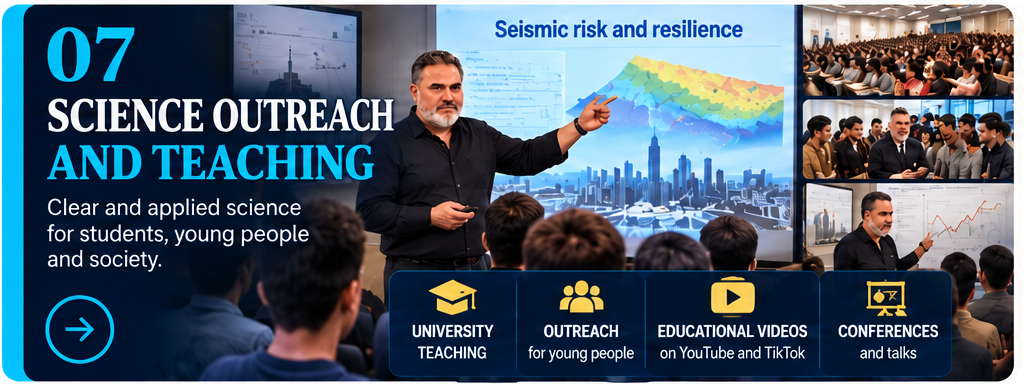
Regular columnist for El Universo — Ecuador's largest newspaper. Expert voice on national television and radio after major seismic events. YouTube educational content, podcasts, and online science communication reaching thousands of citizens regularly.
International keynote speaker at universities, engineering congresses, and professional events. Topics spanning seismic intelligence, AI in engineering, computational mechanics, planetary resilience, mathematical frameworks, and the future of interdisciplinary science.
Strategic consulting for companies and institutions using THEK's ultra-technology frameworks — seismic risk assessments, structural vulnerability analyses, AI-powered resilience modeling, and organizational competitiveness through scientific intelligence.
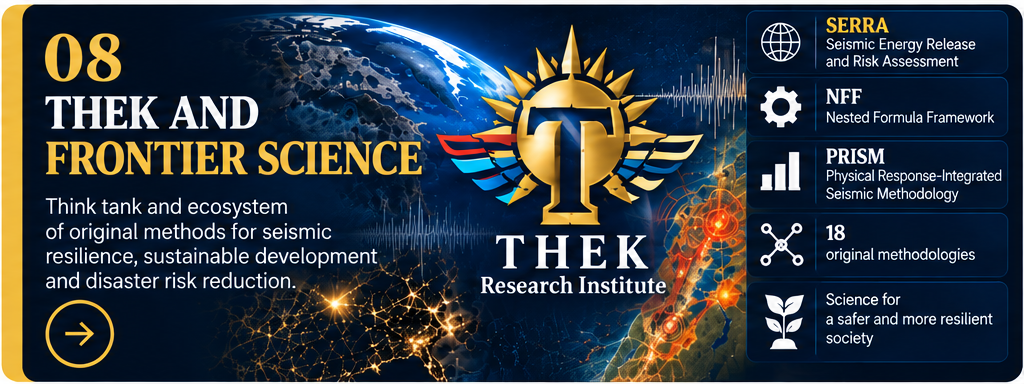
Founder and Director of the THEK ecosystem — five interconnected scientific nodes: THEK Research Institute, hiTHEK Academy, hiTHEK Solar-Seismic Center, THEK Intelligence Report, and THEK Global Resilience Foundation. The institutional expression of 30+ years of independent work.
Original research establishing and defending the thesis of the Guayaquil-Caracas fault line and Ecuador's seismic reactivation — a scientific position that has gained significant media visibility and influenced engineering and urban planning discourse in Ecuador.
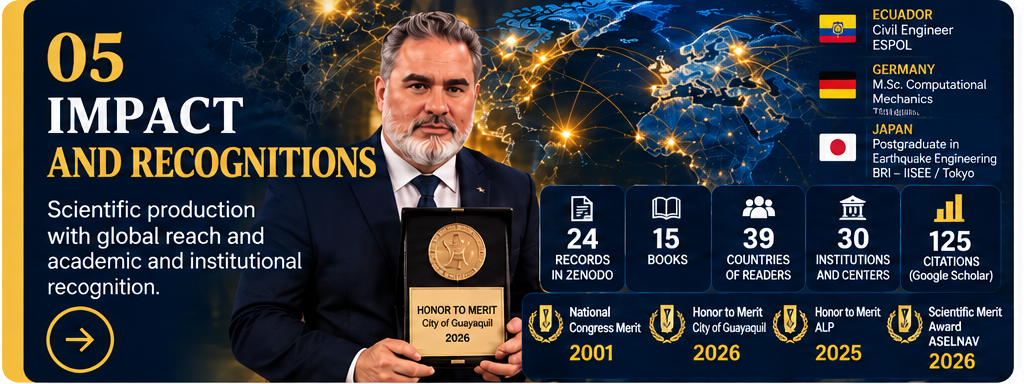
A career recognized by national legislative bodies, international journalism associations, and engineering institutions for scientific contribution, communication excellence, and professional leadership.
The three mathematical frameworks developed by Moncayo are not merely academic contributions — they are practical tools designed to help societies reduce seismic risk, help companies make better engineering decisions, and help researchers build more precise computational models.
A systematic mathematical framework for quantifying seismic risk across different structural typologies, geological contexts, and tectonic environments — designed to be directly applicable by engineers, urban planners, and institutions responsible for infrastructure safety. Validated against Ecuadorian seismic data and published research.
A meta-mathematical framework for the systematic derivation of new engineering formulas — a methodology for abstracting complex physical phenomena into precise analytical expressions. The conceptual engine behind the 15 original formulas developed across structural dynamics and computational mechanics.
A cross-domain analytical framework integrating seismic intelligence, solar activity data, geomagnetic behavior, and climate dynamics into unified computational models — the scientific foundation of THEK's planetary monitoring and the basis for enterprise-level risk advisory services.
Marcelo Moncayo Theurer is Ecuador's most cited seismic engineering expert in national media — consulted by press, television, and radio after every significant seismic event. His analysis combines scientific precision with public accessibility.
M.Sc (TUM). Marcelo Moncayo Theurer is available for keynote conferences, seminars, masterclasses, and enterprise advisory engagements. His unique combination of European computational training, Japanese seismic engineering precision, 30+ years of field experience, and AI-powered frameworks makes him a genuinely rare scientific communicator and consultant.
Behind the academic titles, the published works, and the scientific frameworks is a person who builds his life on values — as a father, a citizen, an educator, and a human being committed to contributing something meaningful to the world.
Moncayo educates with responsibility and conscience — not merely transmitting technical knowledge, but forming engineers who think ethically, act with integrity, and understand that science is ultimately in service of humanity. His teaching philosophy is inseparable from his personal values.
He is a proud Ecuadorian who loves his country deeply — and equally loves Germany, where he earned his master's degree; Japan, where he was trained in seismic engineering; and the countries of his ancestors. This attachment to multiple cultures and knowledge traditions is one of the sources of his interdisciplinary strength.
The next chapter of Moncayo's independent research agenda — expanding the THEK ecosystem's scientific capacity through AI, planetary intelligence, and new theoretical frameworks.
Quantitative mathematical frameworks establishing correlations between solar activity cycles, geomagnetic field variations, and seismic event patterns — AI-validated against multi-decade planetary datasets collected by the hiTHEK Center.
Neural network architectures trained on Ecuadorian and Latin American seismic data for real-time probabilistic risk prediction — extending the 15 original formulas into dynamic, self-calibrating computational models.
Cross-domain framework integrating Earth systems, structural engineering, climate science, and AI into a unified planetary resilience intelligence system — the theoretical expansion of the THEK ecosystem into a globally scalable scientific architecture.
Formalization of the "Kepler Cognitive Phenotype" — a theoretical model for interdisciplinary scientific thinking, applied to engineering education, talent identification, and the design of learning systems that develop convergent-divergent thinkers.
"Nature uses only the longest threads to weave her patterns, so that each small piece of her fabric reveals the organization of the entire tapestry."
— Richard Feynman · Physicist & Master of Scientific Synthesis
The THEK ecosystem is the institutional expression of 30+ years of independent scientific work — five interconnected nodes, one unified mission: science, resilience, and the future of civilization.